Our Services
Equipment Installation
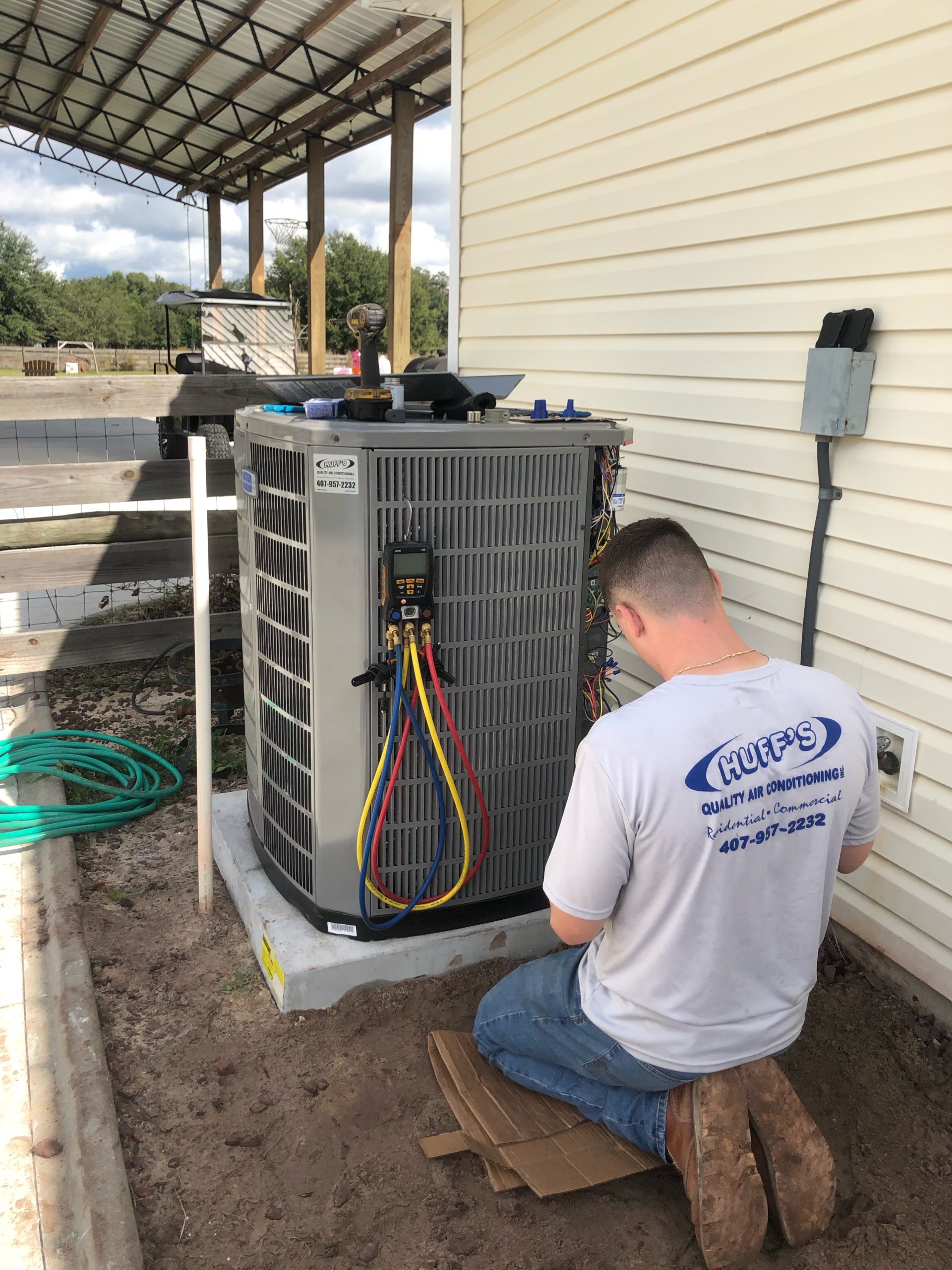
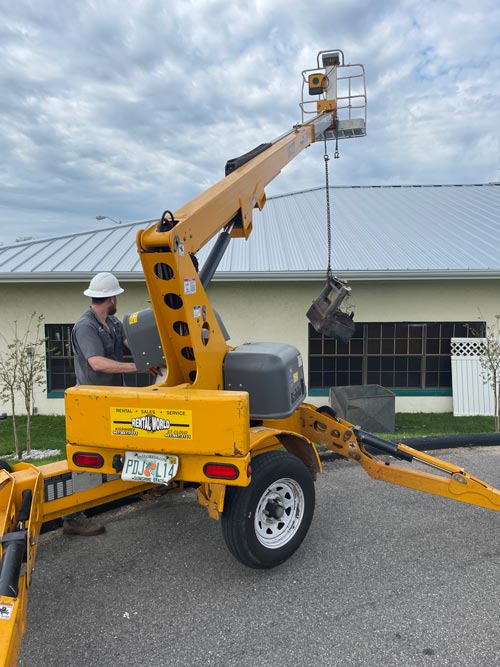
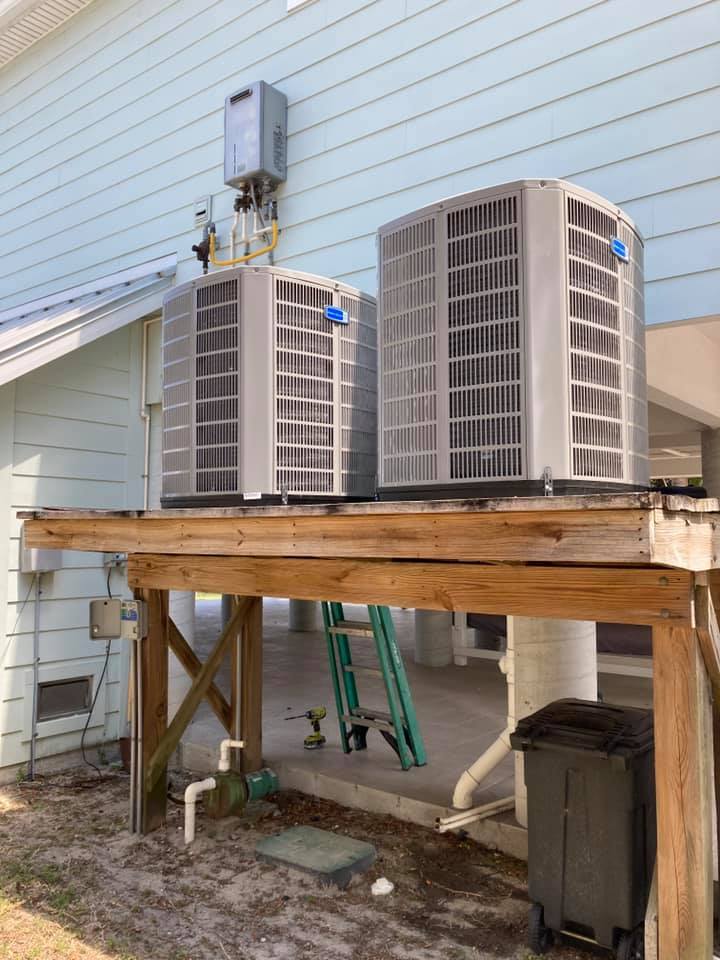
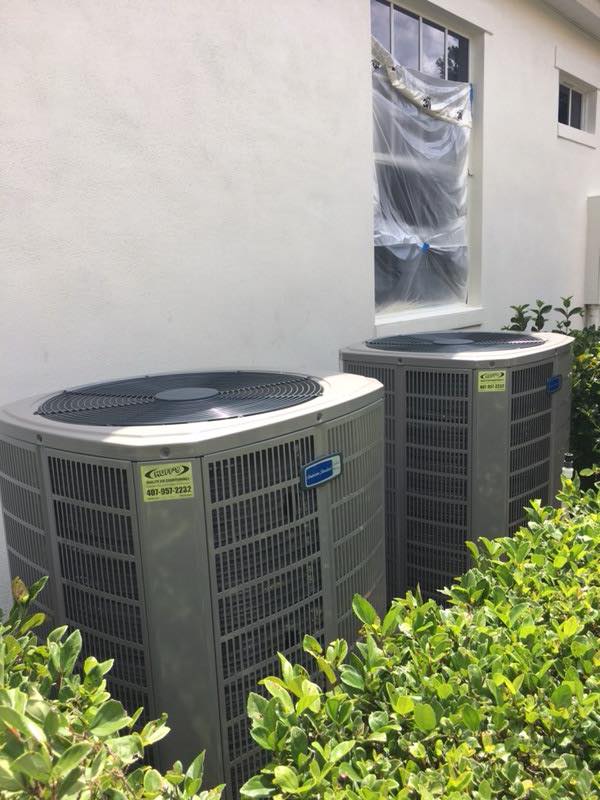
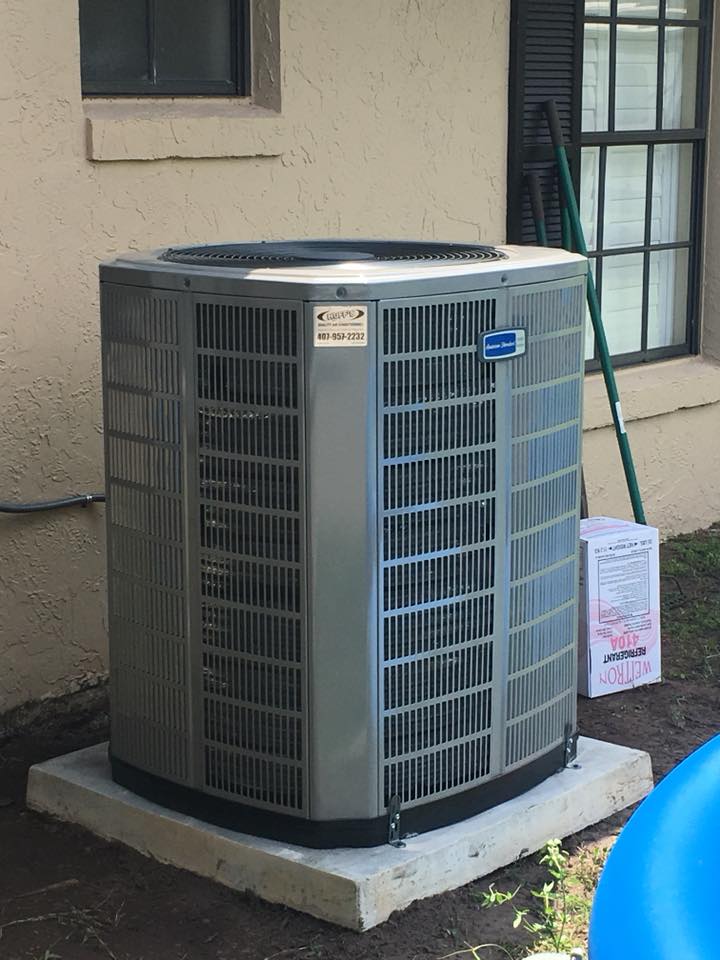
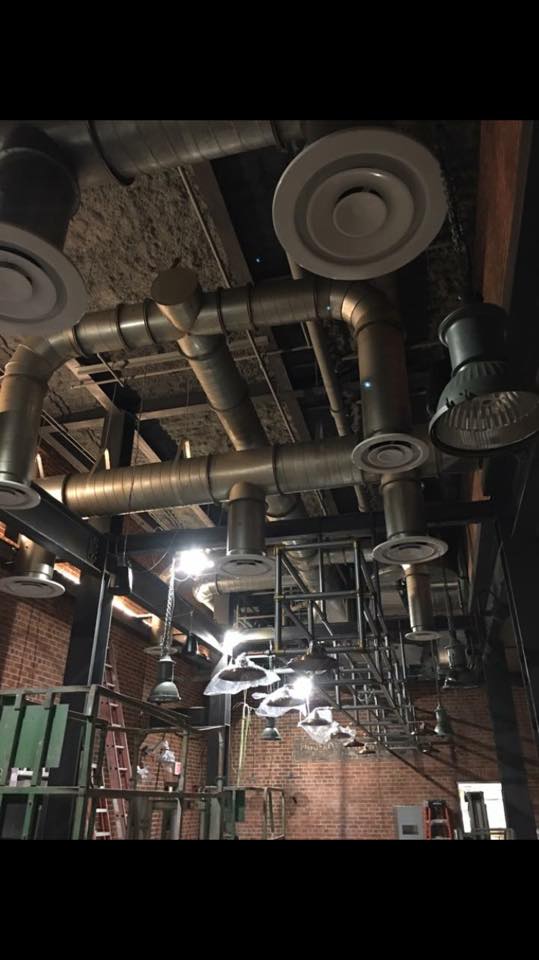
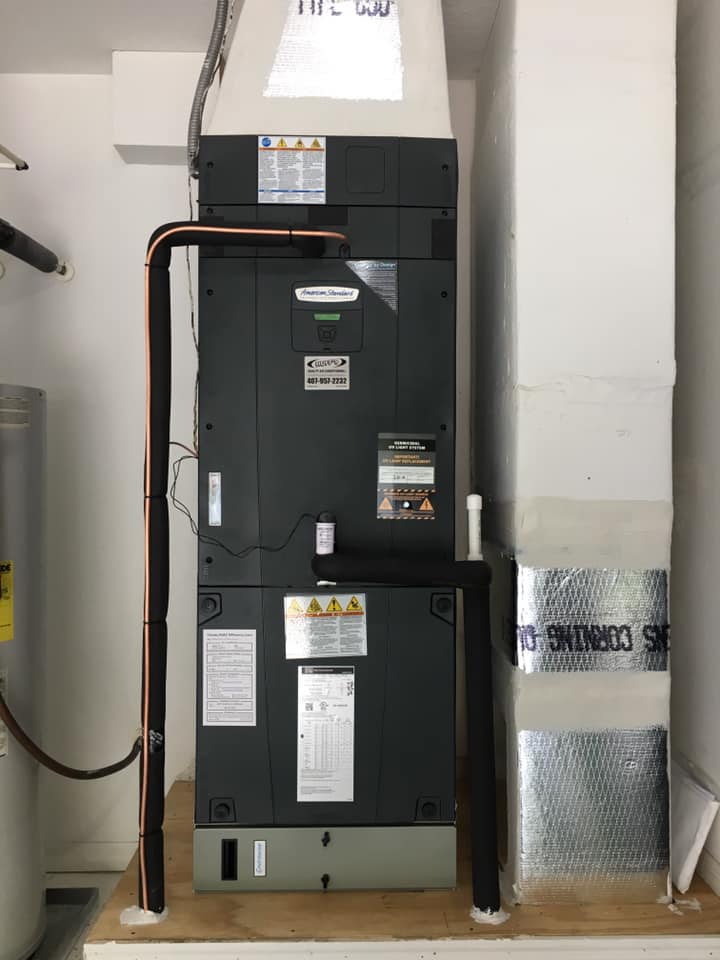
Whether you are building a new home or upgrading to a new, more efficient air conditioning system, American Standard’s line of leading comfort equipment has a capacity, efficiency, and price that will suit your needs. Complete system installations include cooling, heating, air cleaners, comfort controls, and accessories. Our installation experts will gather detailed information so you get the right equipment for maximum comfort at a minimum energy cost.
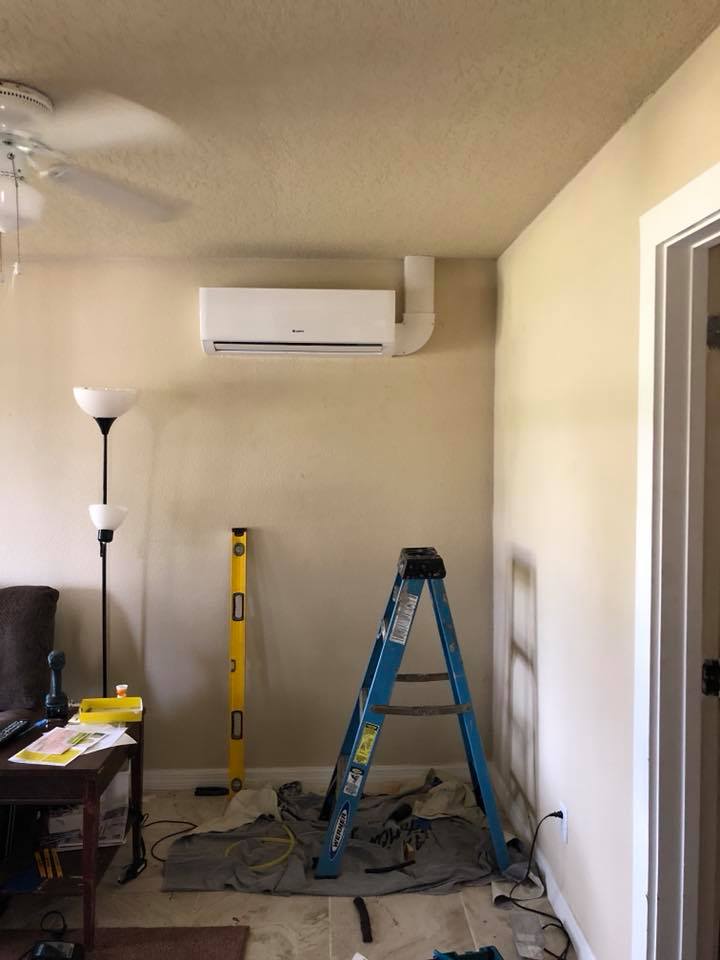
We also install and service: mobile home units and ductwork, ductless mini-split systems, and programmable and wi-fi compatible thermostats.
Air Conditioning Repair
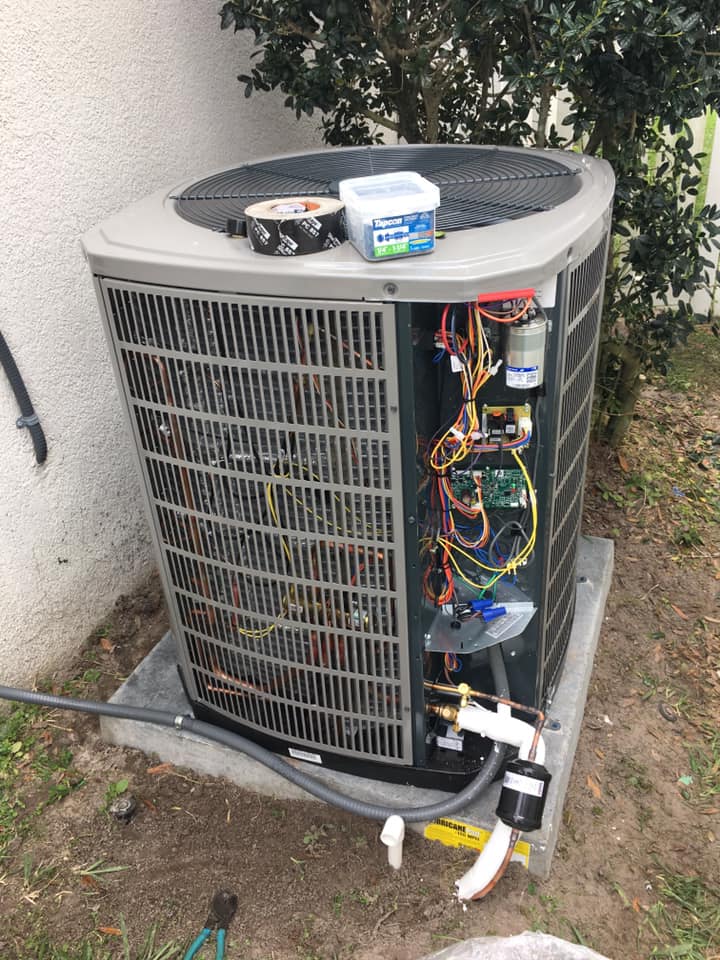
When you need service or repair on your home or business air conditioning system, Huff’s skilled technicians have the know-how to get the job done with minimal interruption to your comfort. If you need a new system, our dedicated comfort consultants will personally assess your home or business FREE and design a system that fits your situation and budget.
After Hours Service
Indoor Air Quality
Maintenance Agreements
- Priority Customer Service
- Extended Equipment Life
- Lower Energy Bills
- Fewer Repairs
- Discounted Rates
- Improved Safety
- Special Offers (when available)
- And much more
Geothermal
Commercial Service
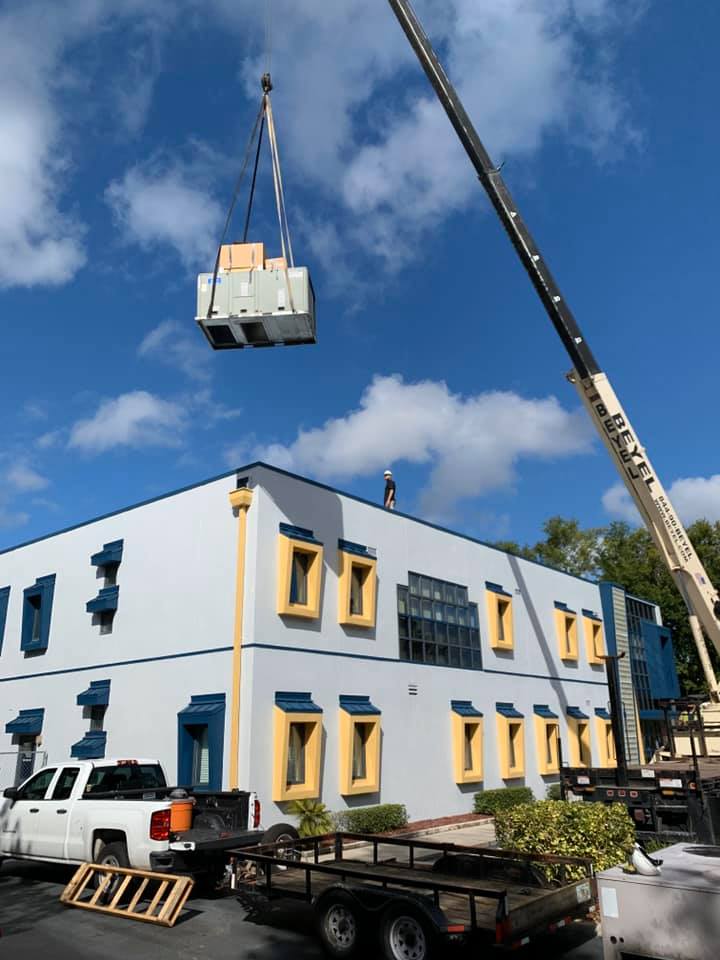
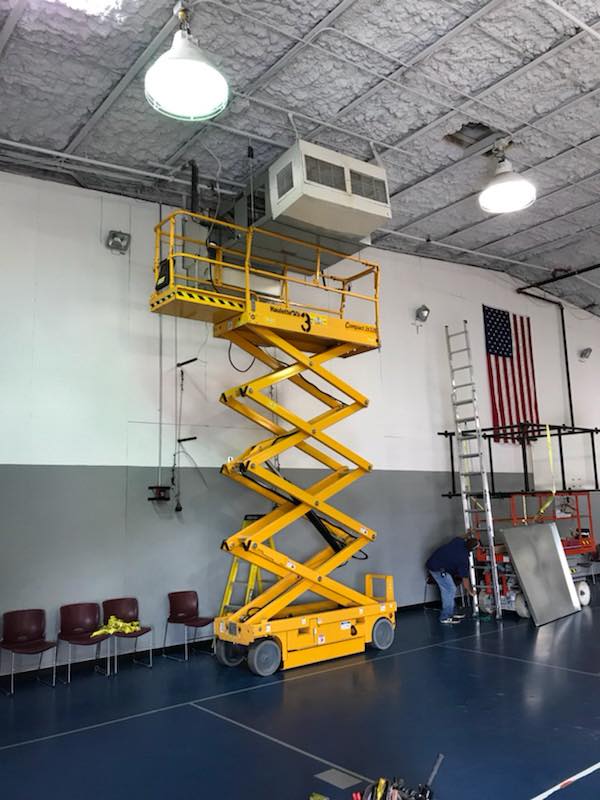
Our entire team is dedicated to providing you with the best air conditioning service available. We are here to help you with any of your commercial or residential HVAC needs. Call today to schedule with our elite team in St. Cloud, FL today!
Air Conditioning FAQs
1. How often should I service my air conditioner in Florida?Goes Here
In Florida’s hot and humid climate, air conditioners run nearly year-round, which increases wear and tear on system components. To maintain peak performance and minimize breakdowns, HVAC professionals recommend scheduling AC maintenance at least twice per year—typically in the spring before peak cooling season and again in the fall. Regular service helps improve energy efficiency, extend the lifespan of your unit, reduce repair costs, and ensure your system can handle Florida’s extreme heat and humidity without interruption.
2. Why is my air conditioner running but not cooling my home?
If your AC is running but not cooling, it’s a clear sign something isn’t functioning properly. Common causes include restricted airflow from a clogged air filter, low refrigerant levels due to a leak, dirty evaporator or condenser coils, or a malfunctioning thermostat. In some cases, duct leaks or compressor issues may also be to blame. Because these problems can worsen quickly and increase your energy bills, it’s best to schedule a professional AC diagnostic to identify the root cause and restore proper cooling.
3. What is the average lifespan of an air conditioner in Florida?
Due to constant use and exposure to salt air and humidity, most air conditioning systems in Florida last between 10 and 12 years. Coastal conditions can accelerate corrosion and component failure, especially if the system is not regularly maintained. Routine tune-ups, coil cleaning, and filter changes can help extend the life of your AC unit and delay the need for replacement.
4. Should I repair or replace my air conditioner?
Deciding whether to repair or replace your AC system depends on several factors, including the age of the unit, the cost of repairs, and overall efficiency. If your system is more than 10 years old, requires frequent repairs, or if a single repair costs more than half the value of a new system, replacement is often the more cost-effective option. New energy-efficient AC systems can significantly lower your monthly utility bills and may qualify for rebates or tax incentives, making them a smart long-term investment.
5. What is the best air conditioning system for Florida homes?
The best AC systems for Florida are designed to handle high humidity and long cooling seasons. Homeowners should look for systems with a SEER rating of 16 or higher for improved energy efficiency, as well as variable-speed compressors that provide better temperature and humidity control. In coastal areas, corrosion-resistant components are essential to protect against salt air damage. A properly sized and professionally installed system will deliver the best comfort, efficiency, and longevity.
6. Can I finance a new air conditioning system?
Yes, many HVAC companies offer flexible financing options to make replacing your AC system more affordable. Qualified homeowners may be eligible for low monthly payments, deferred interest plans, or even 0% financing promotions. Additionally, there may be local utility rebates or federal tax credits available for installing high-efficiency systems, which can further reduce upfront costs.
7. How can I lower my energy bill during the summer in Florida?
Lowering your cooling costs during Florida’s intense summer heat starts with improving your system’s efficiency. Setting your thermostat to a consistent temperature using a programmable or smart thermostat can reduce unnecessary energy use. Changing your air filter regularly ensures proper airflow, while sealing ductwork and adding attic insulation prevents cool air from escaping. Scheduling routine AC maintenance also helps your system run more efficiently, reducing strain and energy consumption.
Indoor Air Quality (IAQ) FAQs
8. Why is indoor air quality important in Florida homes?
Indoor air quality is especially important in Florida because high humidity levels create the perfect environment for mildew, dust mites, and airborne contaminants. Poor IAQ can lead to respiratory issues, worsen allergies and asthma, and create unpleasant odors throughout your home. Improving indoor air quality not only supports better health but also enhances overall comfort and protects your home from moisture-related damage.
9. What indoor air quality products are best for Florida homes?
The most effective IAQ solutions for Florida homes are those that address humidity and airborne pollutants. UV light air purifiers reduce bacteria and viruses within your HVAC system. HEPA filtration systems capture fine particles like pollen and dust, and upgraded ventilation systems improve fresh air circulation. These solutions work together to create a healthier and more comfortable indoor environment.
10. How do I know if my indoor air quality is poor?
There are several signs that may indicate poor indoor air quality. Persistent musty or stale odors can signal mildew or excess humidity, while frequent allergy symptoms such as sneezing, coughing, or itchy eyes may point to airborne contaminants. Excessive dust buildup, visible mildew growth around vents, or uneven humidity levels throughout your home are also common indicators. A professional indoor air quality assessment can pinpoint the exact issues and recommend targeted solutions.
11. Are UV lights in HVAC systems worth it?
UV lights are a valuable addition to HVAC systems in humid climates like Florida. Installed near the evaporator coil, UV lights help reduce bacteria and viruses that thrive in damp environments. This not only improves indoor air quality but also keeps your system cleaner, allowing for better airflow and efficiency. Over time, UV lights can help reduce maintenance needs and extend the lifespan of your HVAC equipment.
12. Can air purifiers help with allergies and asthma?
Physical Address
2004 Jaffa Drive Suite A
St. Cloud, FL 34771
Mailing Address
4417 13th Street, Suite #309
St. Cloud, FL 34769
Business Hours
After Hours & Weekends: By Appointment Only
